1.
Visit the Acropolis
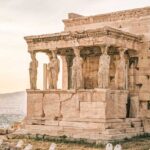
The Acropolis, towering above Athens, is the epitome of ancient Greek civilization. It's crowned by several iconic structures, including the Parthenon, Erechtheion, and Temple of Athena Nike. These architectural marvels are not just beautiful but also symbolic of Athenian democracy and the birth of Western civilization. Exploring the Acropolis offers a glimpse into the rich history, art, and culture of ancient Greece.
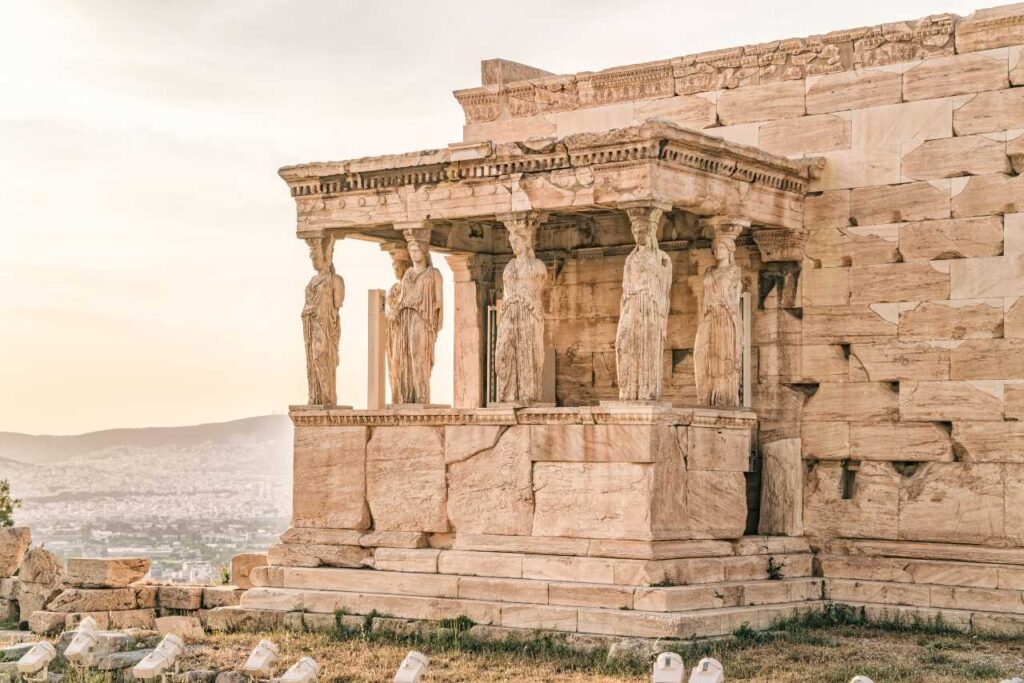
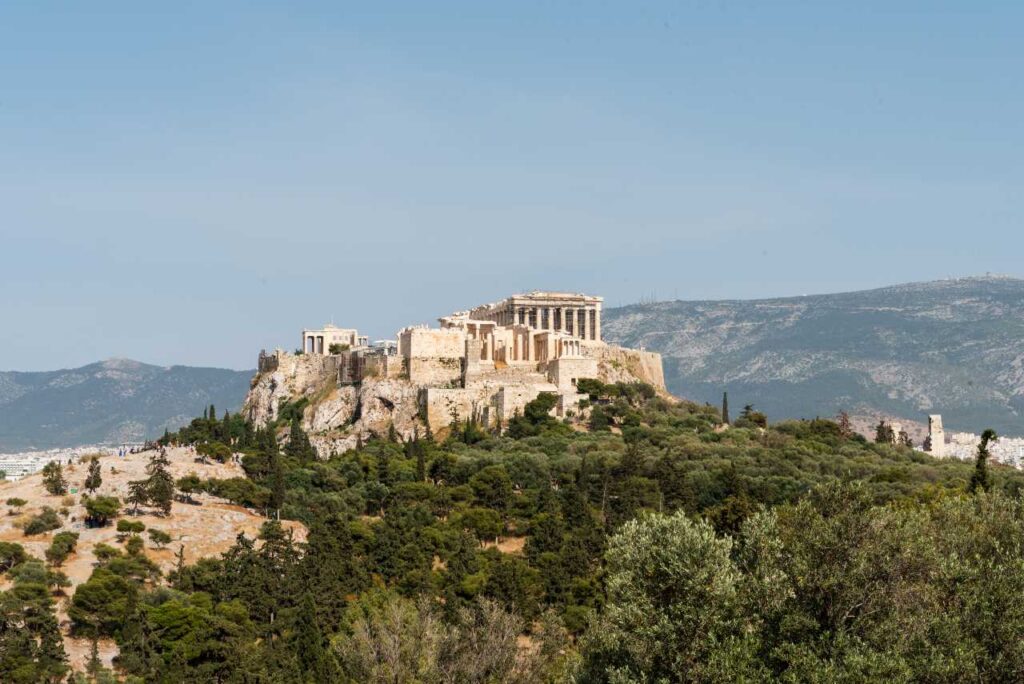
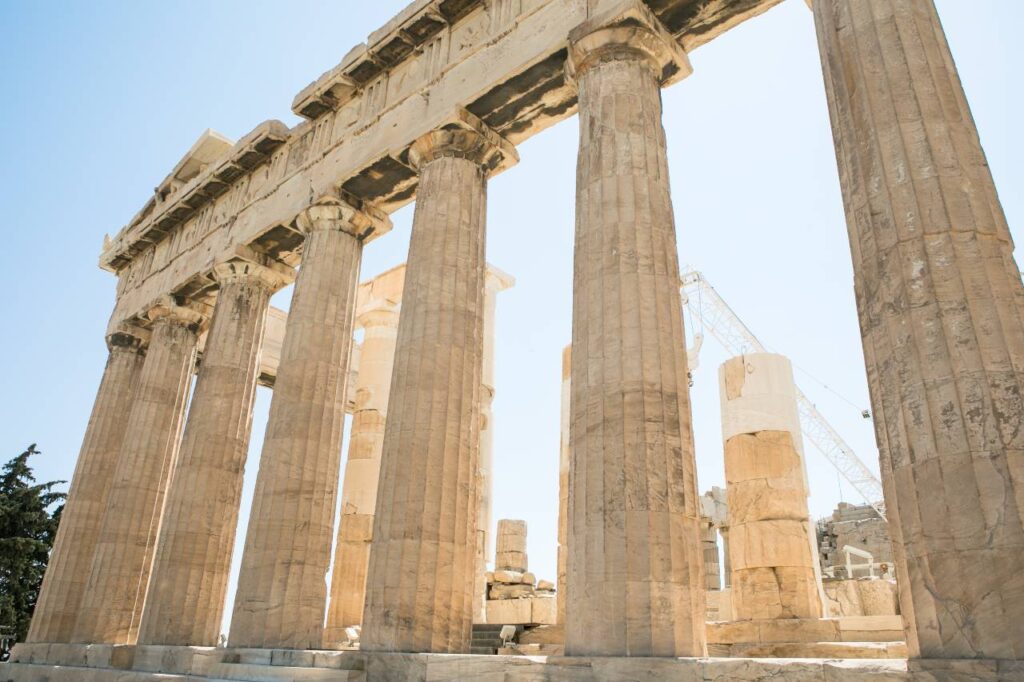
2.
Explore the Acropolis Museum
Situated at the foot of the Acropolis, the Acropolis Museum is a treasure trove of ancient artifacts. Its collection includes sculptures, friezes, pottery, and other archaeological finds from the Acropolis and surrounding areas. The museum's modern design and interactive exhibits provide visitors with a comprehensive understanding of the Acropolis' significance and its role in shaping Greek identity and heritage.
3.
Wander through Plaka
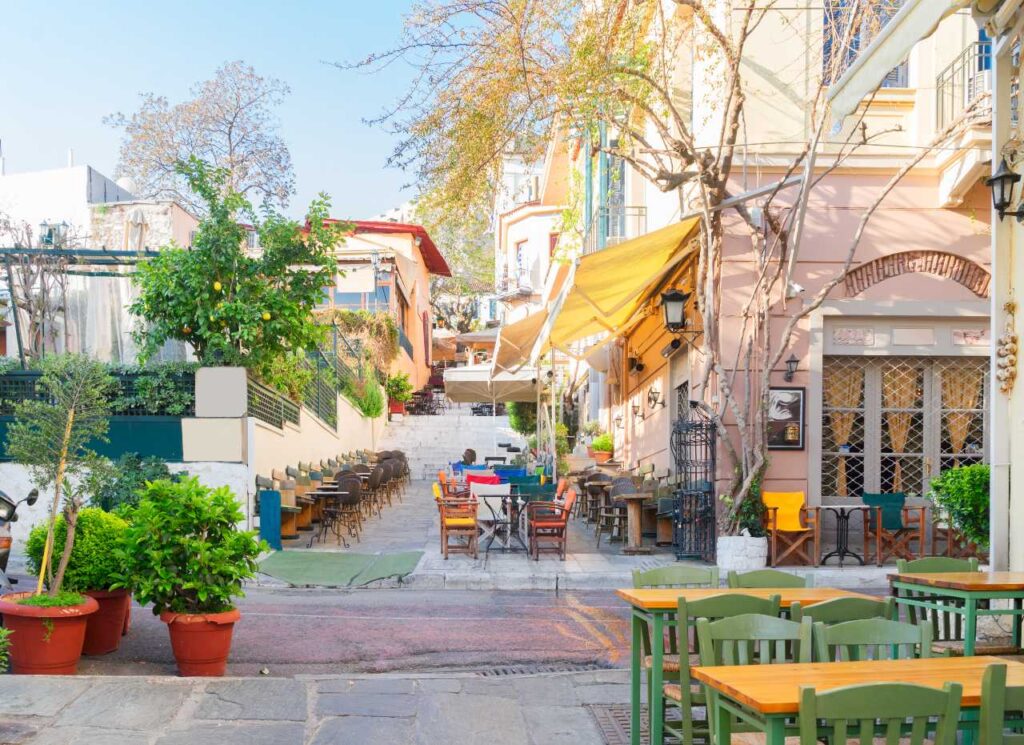
Plaka, nestled beneath the Acropolis, is a charming neighborhood steeped in history and tradition. Its labyrinthine streets are lined with neoclassical buildings, cozy cafes, tavernas, and artisan shops selling handmade crafts and souvenirs. Strolling through Plaka is like stepping back in time, offering glimpses of ancient ruins, Byzantine churches, and traditional Greek architecture.
4.
Discover the Ancient Agora
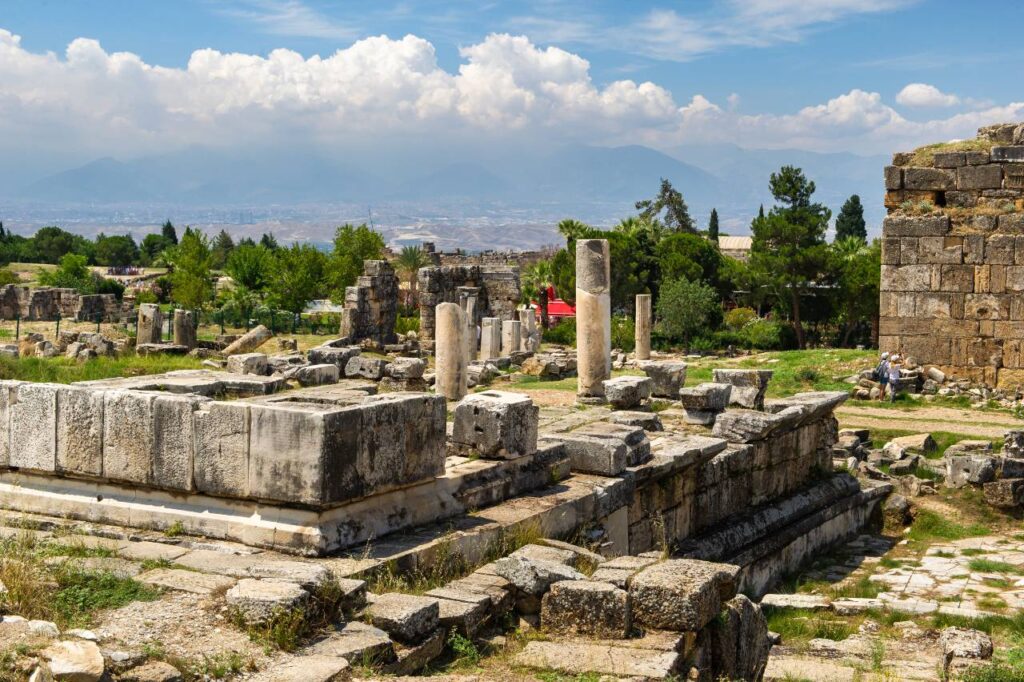
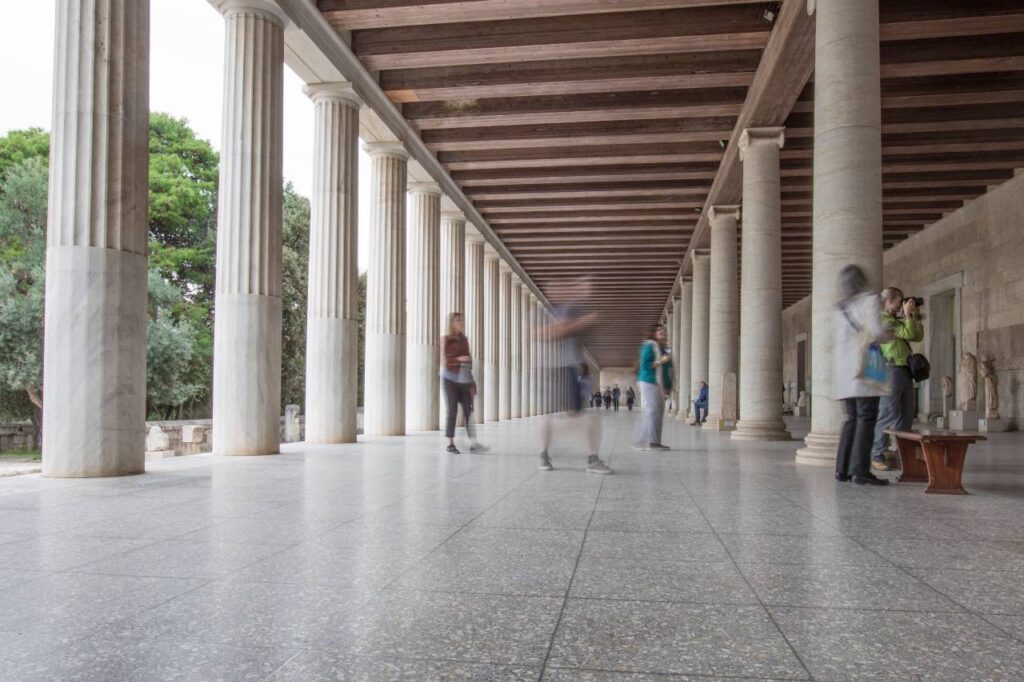
The Ancient Agora was the heart of ancient Athens, serving as a bustling marketplace and civic center. It's where Socrates philosophized, democracy flourished, and Athenians engaged in political discourse. Today, visitors can explore its ruins, including the Temple of Hephaestus, Stoa of Attalos, and Agora Museum, while learning about ancient Greek life, politics, and culture.
5.
Hike up Mount Lycabettus
Mount Lycabettus offers a panoramic vista of Athens, making it a popular spot for both locals and tourists. You can hike up the winding paths or take the funicular railway to reach the summit, where a picturesque chapel and a panoramic café await. Whether at sunrise or sunset, the view from Mount Lycabettus is simply breathtaking, offering sweeping vistas of the city below and the Aegean Sea beyond.
6.
Visit the National Archaeological Museum
The National Archaeological Museum in Athens is one of the world's most important museums, housing a vast collection of artifacts spanning millennia of Greek history. From prehistoric art to classical sculptures, from Minoan frescoes to Mycenaean treasures, the museum's exhibits offer a comprehensive overview of ancient Greek civilization. Highlights include the Mask of Agamemnon, the Antikythera Mechanism, and the Bronze Age Cycladic figurines.
7.
Shop at Monastiraki Flea Market
Monastiraki Flea Market is a vibrant bazaar in the heart of Athens, teeming with life and energy. Here, you can browse through a kaleidoscope of stalls selling everything from antiques and vintage clothing to handmade crafts and local delicacies. The market's eclectic atmosphere, live music, and street performers make it a must-visit destination for shopping and cultural immersion.
8.
Watch the Changing of the Guard at Syntagma Square
The Changing of the Guard ceremony, known as the Evzones, takes place at the Tomb of the Unknown Soldier in front of the Greek Parliament building on Syntagma Square. Dressed in traditional attire, the Evzones perform a meticulously choreographed ritual that honors Greece's military heritage and national pride. It's a solemn yet captivating spectacle that embodies the spirit of Greek tradition and patriotism.
9.
Visit the Panathenaic Stadium
The Panathenaic Stadium, also known as Kallimarmaro, is a marvel of ancient engineering and the birthplace of the modern Olympic Games. Constructed entirely of marble, it hosted the first modern Olympics in 1896 and continues to serve as a symbol of athletic excellence and international camaraderie. Visitors can walk in the footsteps of ancient athletes, imagining the roar of the crowd and the spirit of competition that once filled this historic arena.
10.
Admire the Temple of Olympian Zeus
The Temple of Olympian Zeus, once the largest temple in ancient Greece, is a testament to the grandeur and ambition of the ancient world. Although only a few of its colossal columns remain standing, the temple's ruins still inspire awe and wonder. Visitors can explore the site and marvel at the scale of this monumental edifice, which was dedicated to the king of the gods, Zeus.
11.
Explore the Benaki Museum
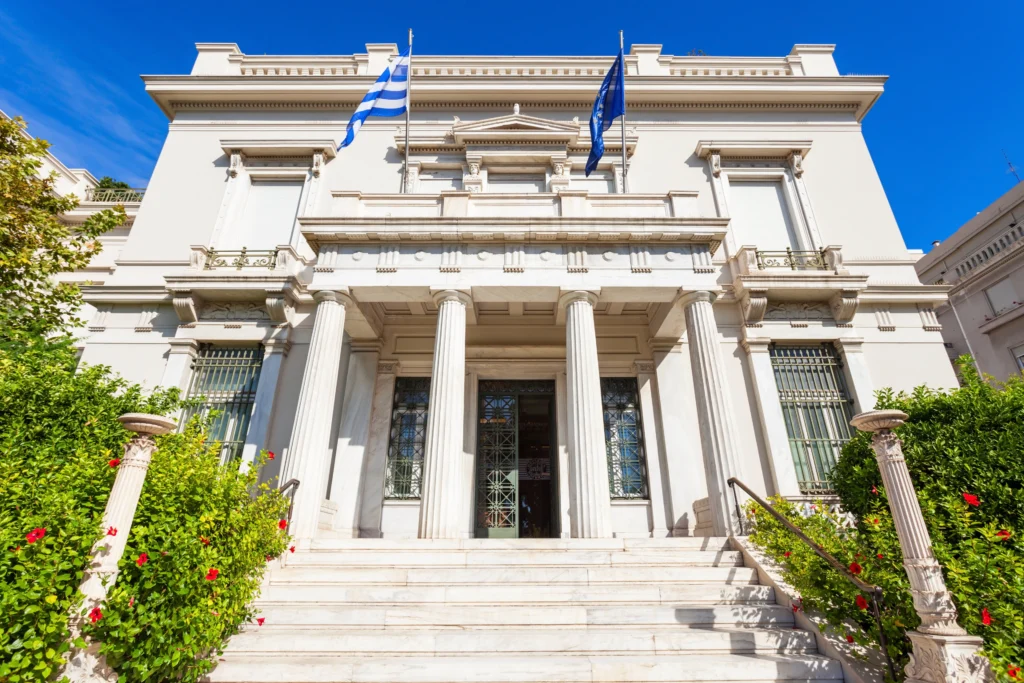
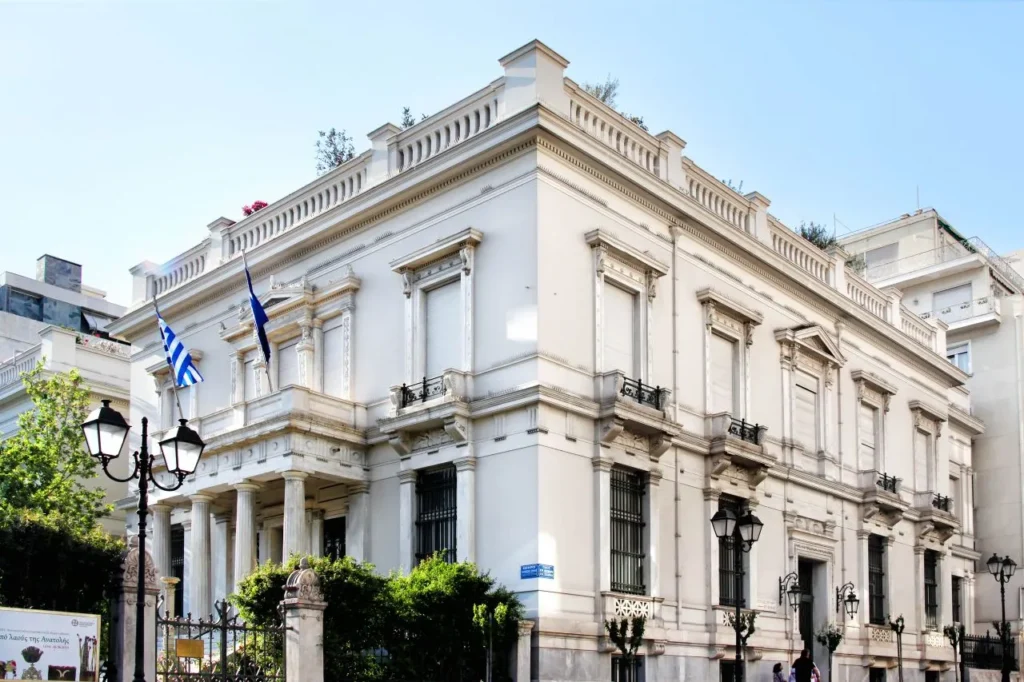
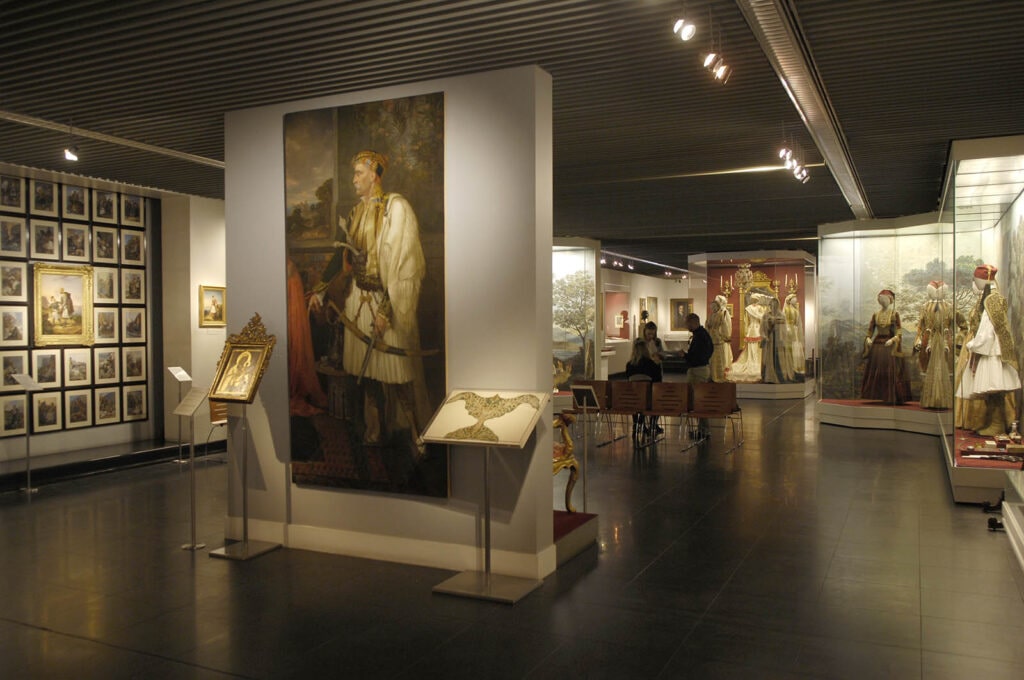
The Benaki Museum is a cultural gem in Athens, showcasing a diverse collection of Greek art and history. Founded by Antonis Benakis in 1930, the museum's exhibits span multiple eras and mediums, from ancient artifacts and Byzantine icons to contemporary paintings and decorative arts. It offers a comprehensive overview of Greek culture, from antiquity to the present day, making it a must-visit destination for art lovers and history enthusiasts alike.
12.
Enjoy Greek Cuisine in Psiri
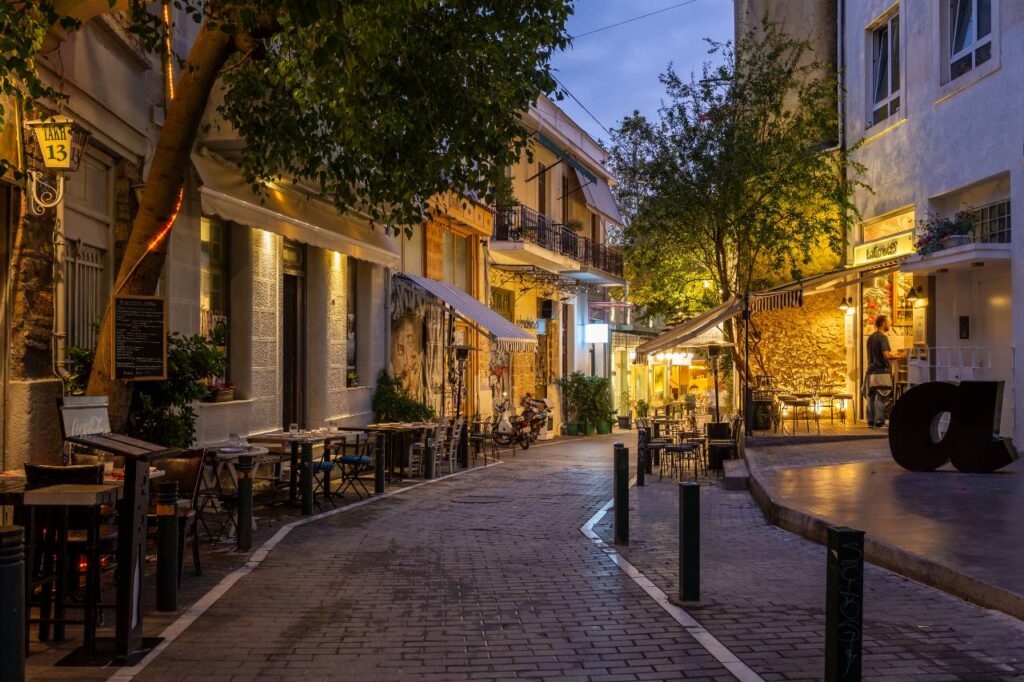
Psiri is a vibrant neighborhood in Athens known for its eclectic mix of traditional tavernas, trendy cafes, and lively bars. Here, you can indulge in authentic Greek cuisine, from moussaka and souvlaki to mezes and ouzo. The area comes alive at night, with music spilling onto the streets and locals and visitors alike enjoying the vibrant nightlife. Psiri offers a taste of Greek hospitality and gastronomic delights in a lively and convivial atmosphere.
13.
Take a Day Trip to Delphi
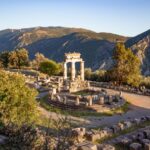
Delphi, located about 180 kilometers northwest of Athens, was considered the center of the ancient world by the Greeks. The archaeological site of Delphi, a UNESCO World Heritage Site, is nestled on the slopes of Mount Parnassus and is famed for its sanctuary of Apollo, where the Oracle of Delphi was consulted. Visitors can explore the ruins of the Temple of Apollo, the Athenian Treasury, the ancient theater, and the stadium, all offering breathtaking views of the surrounding landscape. Additionally, the Delphi Archaeological Museum houses a remarkable collection of artifacts discovered at the site, including sculptures, inscriptions, and treasures dedicated to the god Apollo.
14.
Discover the Museum of Cycladic Art
The Museum of Cycladic Art in Athens is dedicated to the study and exhibition of ancient cultures of the Aegean and Cyprus, with a focus on the Cycladic civilization. The museum's collection includes a stunning array of Cycladic figurines, marble vessels, and artifacts dating back to the Bronze Age. These objects offer insights into the artistic achievements and cultural practices of the Cycladic people, known for their distinctive art style and maritime culture.
15.
Relax at the National Gardens
The National Gardens of Athens, located in the heart of the city, offer a tranquil escape from the urban hustle and bustle. Originally the royal garden of the Greek monarchy, this lush green oasis features a variety of botanical specimens, including exotic trees, plants, and flowers. Visitors can stroll along winding pathways, admire ornamental ponds and fountains, and relax in shaded groves. The gardens also house archaeological remains, a small zoo, and a charming café, making it a delightful destination for nature lovers and families alike.
16.
Shop in Kolonaki
Kolonaki is Athens' chic and affluent neighborhood, known for its upscale boutiques, designer stores, and luxury shopping experience. Here, fashion enthusiasts can browse an array of high-end fashion brands, jewelry shops, and specialty stores offering the latest trends and designer labels. Kolonaki also boasts trendy cafes, gourmet restaurants, and stylish bars, making it a popular destination for both shopping and socializing.
17.
Explore the Roman Agora
The Panathenaic Stadium, also known as Kallimarmaro, is a marvel of ancient engineering and the birthplace of the modern Olympic Games. Constructed entirely of marble, it hosted the first modern Olympics in 1896 and continues to serve as a symbol of athletic excellence and international camaraderie. Visitors can walk in the footsteps of ancient athletes, imagining the roar of the crowd and the spirit of competition that once filled this historic arena.
18.
Attend a Performance at the Odeon of Herodes Atticus
The Odeon of Herodes Atticus, also known as the Herodeion, is an ancient amphitheater located on the southwest slope of the Acropolis. Dating back to the 2nd century AD, it was restored in the 1950s and is now used as a venue for concerts, plays, and cultural events. Attending a performance at the Odeon of Herodes Atticus is a memorable experience, offering a unique blend of ancient architecture and modern entertainment against the backdrop of the Acropolis.
19.
Shop in Take a Food Tour
A food tour in Athens is a culinary adventure that allows visitors to sample a diverse range of traditional Greek dishes and local specialties while exploring the city's vibrant food scene. From savory souvlaki and crispy spanakopita to sweet baklava and refreshing Greek wines, there's something to satisfy every palate. Food tours typically include visits to markets, bakeries, tavernas, and eateries favored by locals, providing insight into Greek gastronomy, culture, and hospitality.
20.
Visit the Byzantine and Christian Museum
The Byzantine and Christian Museum in Athens is dedicated to the study and exhibition of Byzantine and post-Byzantine art and culture. Its collection includes religious artifacts, icons, frescoes, manuscripts, and mosaics from the Byzantine Empire and later periods. The museum's exhibits offer insights into the religious beliefs, artistic achievements, and daily life of the Byzantine Greeks, making it a valuable resource for understanding Greece's Byzantine heritage.
21.
Discover the Athens Riviera
The Athens Riviera refers to the coastal stretch extending from the southern suburbs of Athens to the Saronic Gulf. It's known for its picturesque beaches, crystal-clear waters, and vibrant beach clubs. Popular destinations along the Athens Riviera include Glyfada, Vouliagmeni, and Voula, each offering a unique blend of seaside charm, upscale amenities, and lively nightlife. Whether you're looking to relax on sandy shores, indulge in water sports, or enjoy waterfront dining, the Athens Riviera has something for everyone.
22.
Take a Day Trip to Cape Sounion
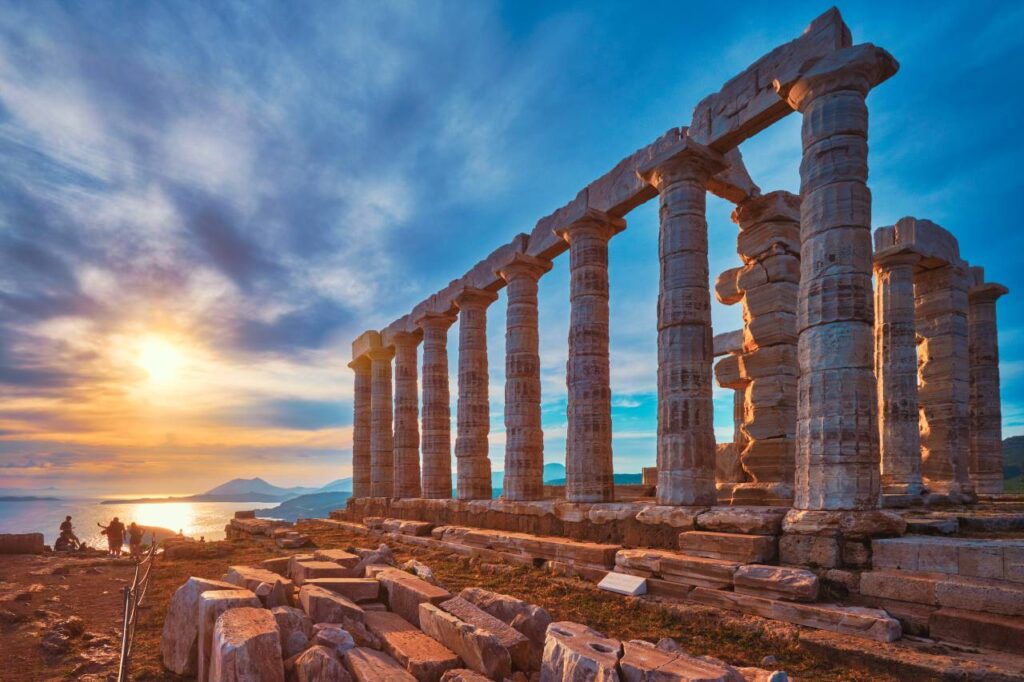
Cape Sounion, located about 70 kilometers southeast of Athens, is home to the Temple of Poseidon, a majestic ancient temple perched on a cliff overlooking the Aegean Sea. Dedicated to the god of the sea, this iconic monument offers stunning views of the surrounding coastline and is particularly famous for its breathtaking sunsets. Visitors can explore the temple ruins, enjoy a leisurely stroll along the coastal promenade, and soak in the beauty and tranquility of this scenic seaside destination.
23.
Explore the Kerameikos Archaeological Site
Kerameikos is an important archaeological site in Athens, located northwest of the Acropolis. It was the ancient cemetery of Athens, where prominent citizens were laid to rest with elaborate burial monuments and grave markers. Today, visitors can explore the site's ruins, including the Dipylon Gate, the Street of Tombs, and the Kerameikos Archaeological Museum, which houses a fascinating collection of funerary artifacts and grave goods. It's a poignant reminder of Athens' rich history and the customs and rituals of its ancient inhabitants.
24.
Attend a Performance at the Athens Epidaurus Festival
The Athens Epidaurus Festival is an annual cultural event that celebrates ancient drama, modern theater, and performing arts. Held in iconic ancient theaters, including the Epidaurus Ancient Theater and the Odeon of Herodes Atticus, the festival features a diverse program of plays, concerts, dance performances, and operas. It attracts renowned artists and performers from Greece and around the world, offering audiences a unique opportunity to experience the magic of live theater in spectacular ancient settings.
25.
Take a Sunset Cruise
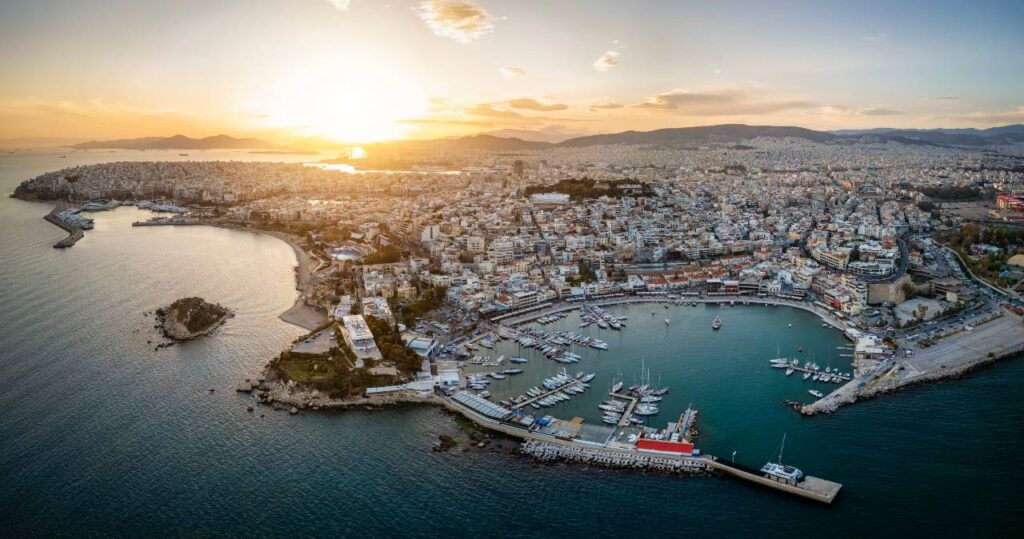
A sunset cruise around the Saronic Gulf is a romantic and unforgettable experience that allows visitors to admire the beauty of Athens' coastline and landmarks from the water. Cruises typically depart from the port of Piraeus and sail along the Athenian Riviera, passing by picturesque islands, coastal cliffs, and historic landmarks such as the Temple of Poseidon at Cape Sounion. As the sun sets over the horizon, passengers can enjoy panoramic views, gentle sea breezes, and the magical glow of twilight, making for a memorable end to the day.
26.
Visit the Stavros Niarchos Foundation Cultural Center
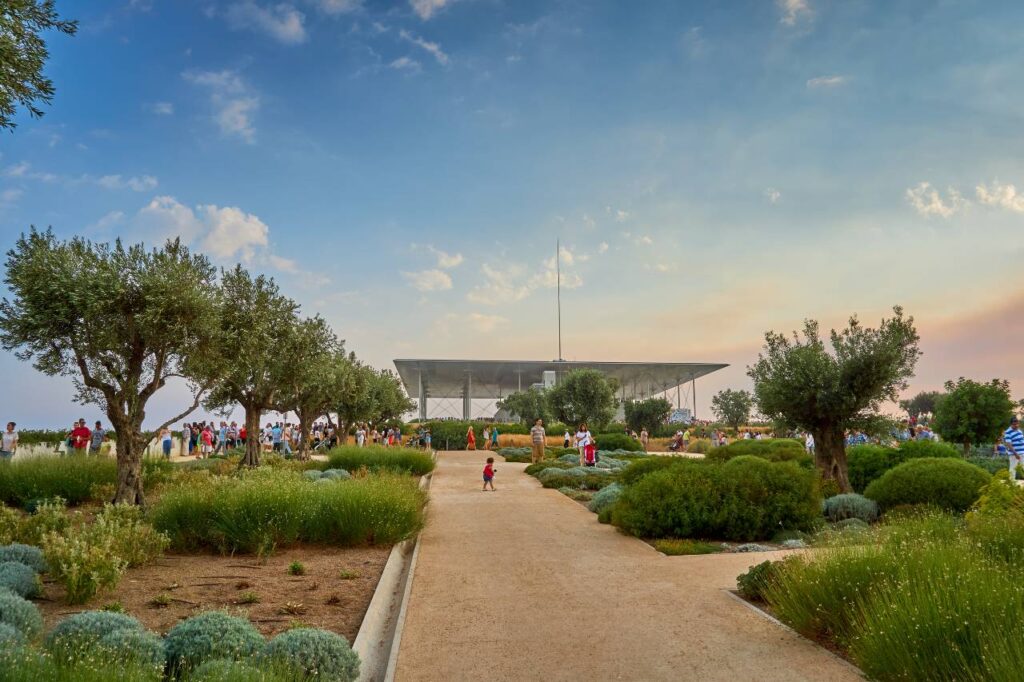
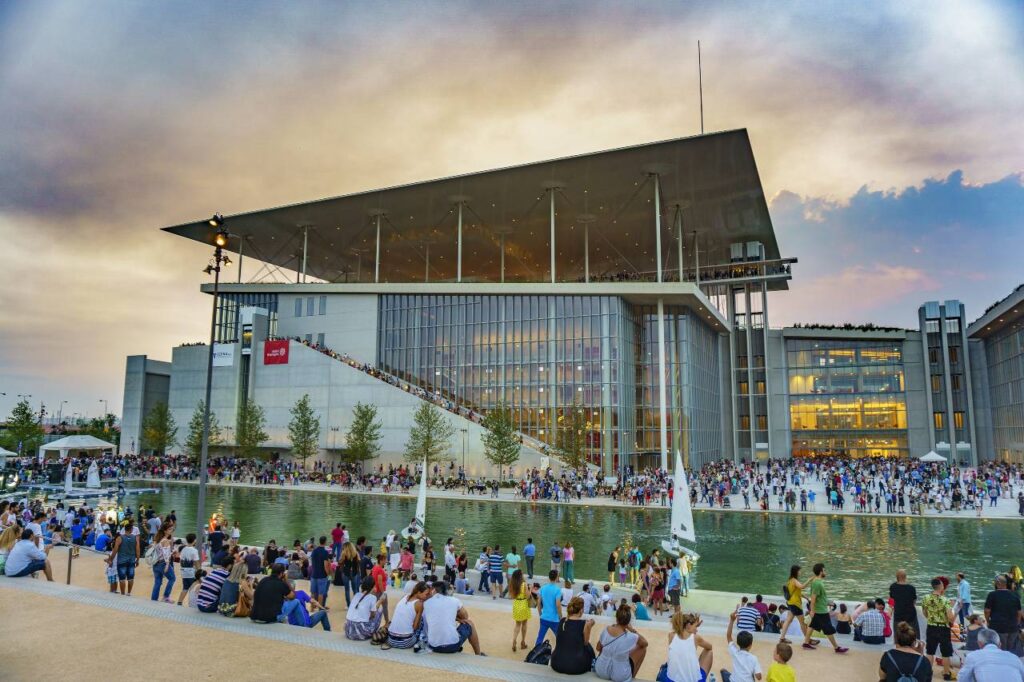
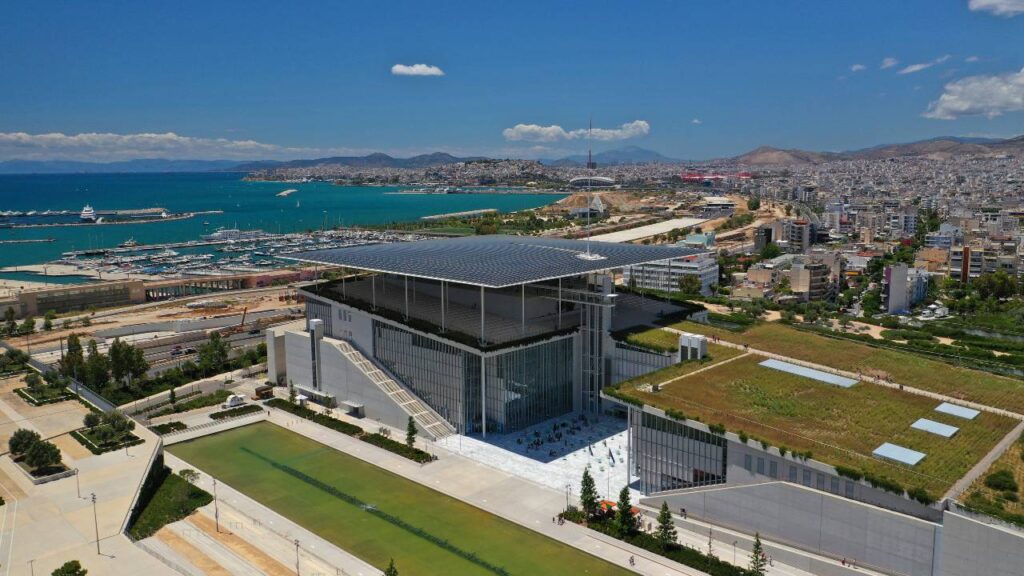
The Stavros Niarchos Foundation Cultural Center (SNFCC) is a state-of-the-art cultural complex located in the Kallithea neighborhood of Athens. It was designed by renowned architect Renzo Piano and funded by the Stavros Niarchos Foundation. The SNFCC aims to promote arts, education, and sustainability.
- Parks and Gardens: The center boasts expansive landscaped gardens, including the Stavros Niarchos Park, which features lush greenery, walking paths, and outdoor seating areas. Visitors can enjoy leisurely strolls or relax amidst the natural beauty of the surroundings.
- Libraries: The SNFCC is home to the National Library of Greece, one of the largest libraries in the country. It offers a vast collection of books, periodicals, and digital resources, as well as reading rooms and study spaces for visitors.
- Greek National Opera: The Greek National Opera (GNO) is housed within the SNFCC complex, featuring state-of-the-art performance spaces, rehearsal studios, and production facilities. It presents a diverse program of opera, ballet, musicals, and concerts throughout the year.
27.
Discover the Athens Central Market (Varvakios Agora)
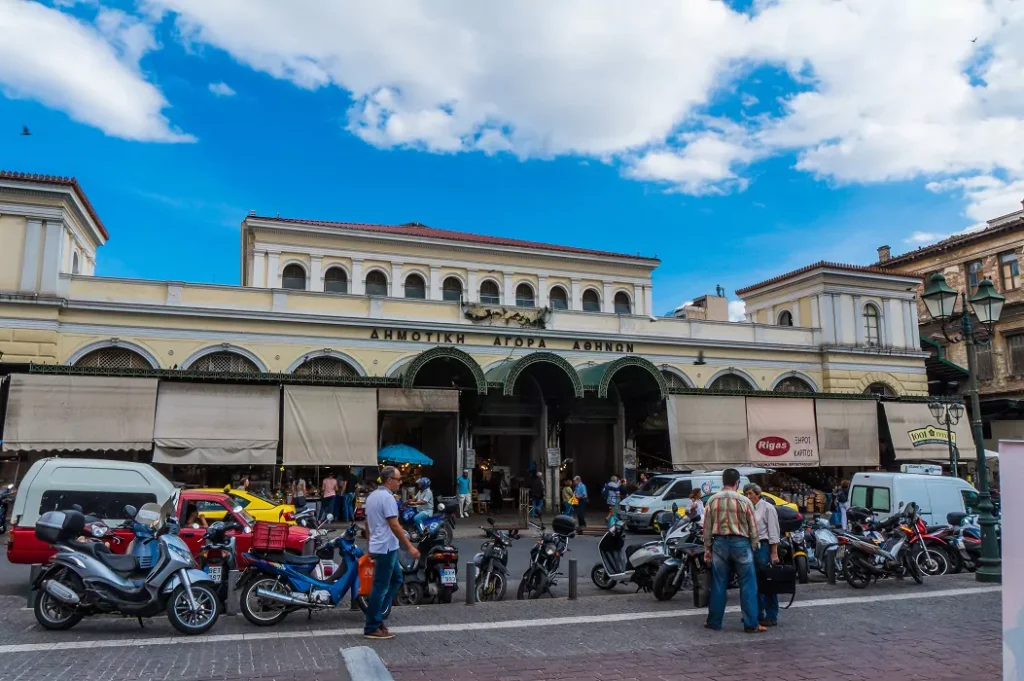
The Athens Central Market, also known as Varvakios Agora, is a bustling marketplace located in the heart of Athens. It has been a hub of activity for over a century, offering a wide variety of fresh produce, meats, seafood, spices, and other culinary delights.
- Fresh Produce: Visitors to the market can explore stalls brimming with colorful fruits and vegetables, sourced from local farms and producers. It's a feast for the senses, with vibrant displays of seasonal produce and aromatic herbs.
- Meats and Seafood: The market is renowned for its selection of fresh meats, including lamb, beef, pork, and poultry, as well as an array of seafood caught from the Aegean Sea. Vendors offer everything from traditional cuts to specialty products like cured meats and seafood delicacies.
- Spices and Specialty Items: Varvakios Agora is a treasure trove of spices, herbs, and specialty ingredients essential to Greek cuisine. Visitors can find exotic spices, dried fruits, nuts, olives, olive oil, honey, and other gourmet products.
28.
Learn about Greek Folk Art at the Museum of Greek Folk Art
The Museum of Greek Folk Art is dedicated to preserving and showcasing the rich cultural heritage of Greece's folk traditions. Located in the historic Plaka neighborhood of Athens, the museum features a diverse collection of artifacts, crafts, and artworks.
- Traditional Costumes: The museum displays a wide range of traditional costumes worn by Greeks throughout the centuries, highlighting regional variations in style, fabric, and embellishments. These costumes offer insights into the cultural identity and social customs of different Greek communities.
- Crafts and Artifacts: Visitors can admire a variety of folk art objects, including handmade textiles, embroidery, ceramics, woodcarvings, and metalwork. These artifacts represent traditional crafts practiced by artisans across Greece, reflecting their skill and creativity.
- Everyday Life: The museum provides glimpses into the daily lives of Greeks through exhibits on domestic rituals, agricultural practices, religious customs, and festive celebrations. It offers a comprehensive overview of the cultural traditions that have shaped Greek society over the centuries.

29.
Explore the Athens War Museum
The Athens War Museum is dedicated to the military history of Greece, spanning ancient times to the present day. Located near the National Garden, the museum's exhibits cover a wide range of topics related to Greek warfare, weaponry, uniforms, and military campaigns.
- Historical Exhibits: The museum features artifacts, weapons, uniforms, and equipment used by Greek soldiers throughout history, from ancient times to modern conflicts. Exhibits cover significant events such as the Greek War of Independence, World War I, World War II, and the Greek Civil War.
- Weaponry and Technology: Visitors can see a diverse collection of weapons and military hardware, including swords, spears, firearms, artillery pieces, tanks, and aircraft. The museum highlights technological advancements in warfare and the evolution of military tactics over time.
- Interactive Displays: The Athens War Museum offers interactive displays, multimedia presentations, and dioramas that provide immersive experiences for visitors. It's a valuable educational resource for understanding Greece's military heritage and the role of its armed forces in national history.
30.
Visit the National Gallery - Alexandros Soutsos Museum
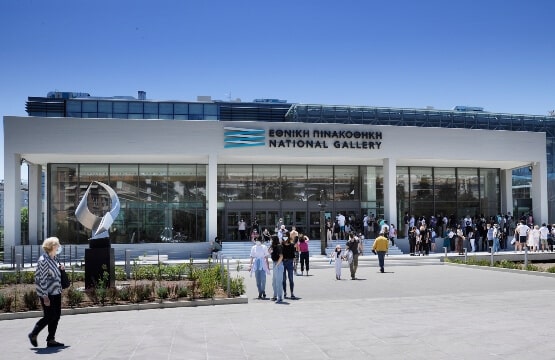
The National Gallery - Alexandros Soutsos Museum is one of Greece's premier art institutions, housing a vast collection of Greek and European paintings, sculptures, and decorative arts. Located in central Athens, near Syntagma Square, the museum showcases works spanning various artistic movements and periods.
- Greek Art: The museum's collection includes masterpieces by renowned Greek artists, ranging from Byzantine icons and medieval religious art to neoclassical and modernist paintings. It provides insights into the development of Greek art and its influence on European aesthetics.
- European Art: In addition to Greek art, the National Gallery features works by prominent European artists from the Renaissance to the 20th century. Visitors can admire paintings, sculptures, and decorative arts from Italy, France, Spain, the Netherlands, and other European countries.
- Temporary Exhibitions: The museum hosts temporary exhibitions showcasing thematic collections, special acquisitions, and loaned artworks from international museums. These exhibitions offer opportunities to explore specific genres, artistic movements, or individual artists in greater depth.
31.
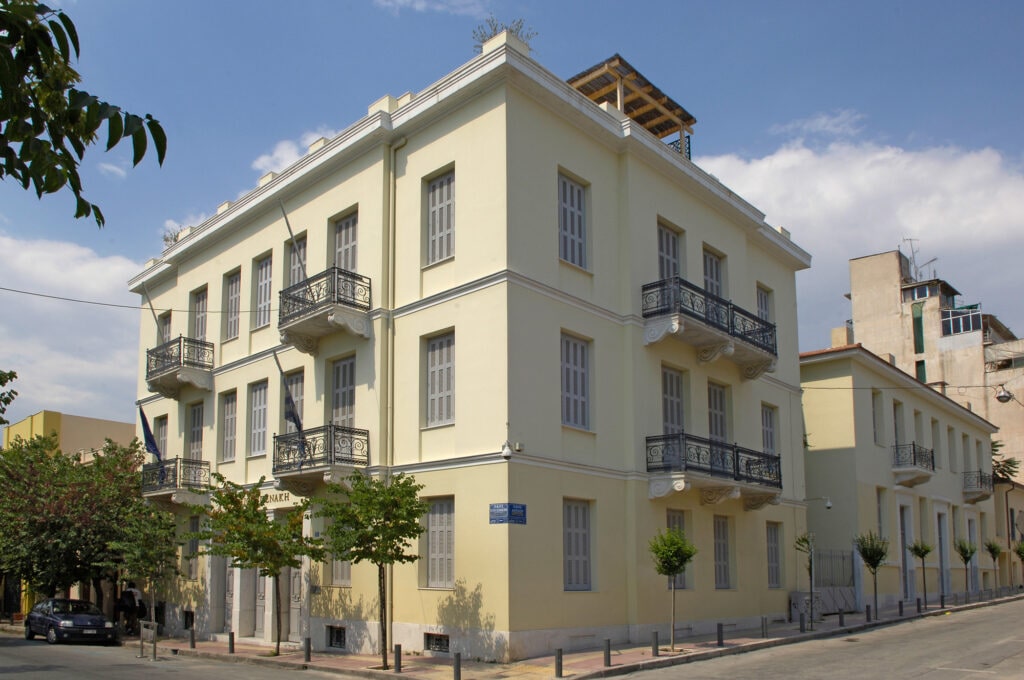
Discover the Museum of Islamic Art
The Museum of Islamic Art is dedicated to showcasing the artistic and cultural achievements of the Islamic world, spanning over a thousand years of history. Located in central Athens, near the Acropolis, the museum's collection includes a diverse range of artifacts, including ceramics, textiles, metalwork, and manuscripts.
- Islamic Artifacts: The museum's exhibits feature a wide variety of Islamic artifacts, including pottery, tiles, carpets, calligraphy, and illuminated manuscripts. These objects showcase the exquisite craftsmanship, intricate designs, and cultural diversity of the Islamic world.
- Historical Context: Visitors can learn about the historical and cultural context of Islamic art through informative displays and multimedia presentations. The museum highlights the artistic achievements of various Islamic civilizations, from the early Islamic period to the Ottoman Empire and beyond.
- Educational Programs: The Museum of Islamic Art offers educational programs, workshops, and guided tours for visitors of all ages. These activities provide opportunities to deepen understanding of Islamic art and culture, fostering cross-cultural dialogue and appreciation.
32.
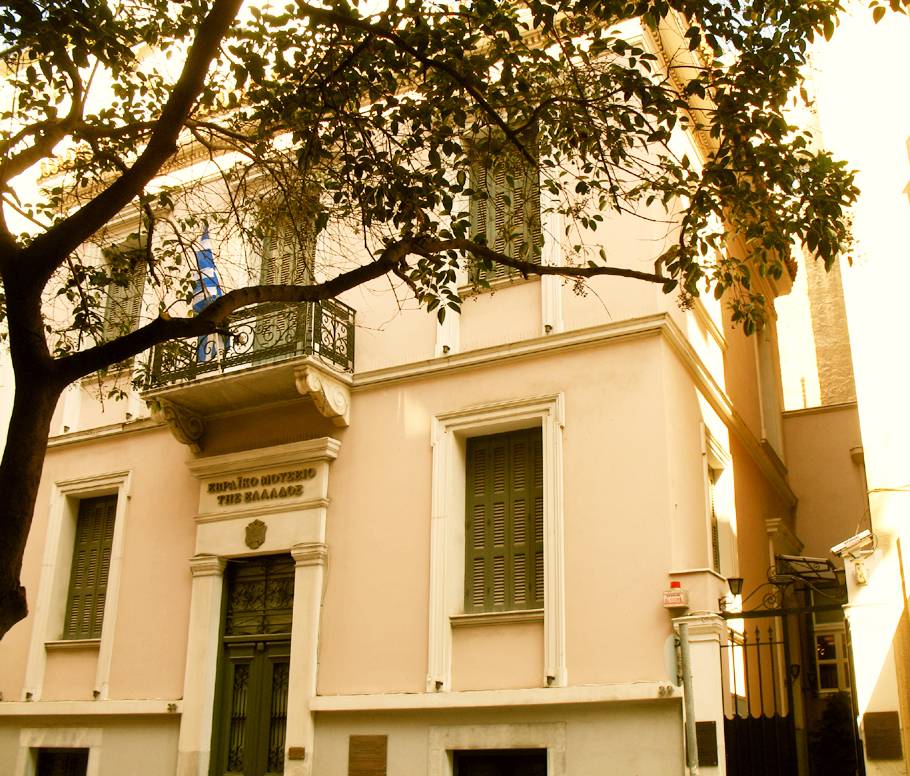
Discover the Jewish Museum of Greece
The Jewish Museum of Greece is dedicated to preserving and promoting the history and heritage of Greece's Jewish community. Located in central Athens, near Syntagma Square, the museum's exhibits cover various aspects of Jewish life, traditions, and contributions to Greek society.
- Historical Exhibits: The museum showcases artifacts, documents, photographs, and personal mementos that illustrate the history of Greek Jews from ancient times to the present day. Exhibits cover topics such as religious practices, daily life, cultural traditions, and historical events.
- Holocaust Remembrance: The Jewish Museum of Greece pays tribute to the victims of the Holocaust and commemorates the experiences of Greek Jews during World War II.